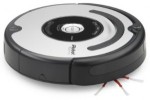
 I recently found an purchased a Roomba 550 from Goodwill here in town for $32 (it was half off it’s list of $65). It came with everything originally included (virtual walls, brush cleaner, charger, dock, etc). And it was in great shape. Brought it home, and hooked it up. Initial charge, if the unit has been unpowered for more than X days, is a 16 hour battery conditioning, which is great (though it did make me a bit worried about the 2 day return policy on electronics from Goodwill).
After the 16 hour charge, I set it loose on the main floor (which is gated off from the lower floor for baby safety). And after about 30 minutes, it finished it’s run (getting probably a good 70% of the floor), and came back to dock. Awesome. With a nightly run, it’s bound to get “everything” at least once a week. So, I set it to run every night at 1AM, and went to bed.
 At the request of my wife, I’ve started playing with the idea of writing a “book” for the purpose of educating hobbyist’s and EE’s spouses (or significant other), as well as kids. It’s point is to be very simple, not delve into the math at all (except ohm’s law, of course), and instead just explain basics of what we’re working on, what’s on our bench and parts bins, etc. The hope being that they could read through some basic information, and be able to have a basic concept of what we spend all our time doing, or when we explain a repair, they have some basic knowledge to use for understanding our language.
 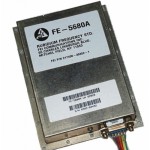 A seller on eBay recently listed some FE-5680A Rubidium Oscillators for $30 + $10 shipping for parts repair, and I couldn’t pass up the chance to pick one up, especially when there’s so much info out there, and the wonderful FAQ