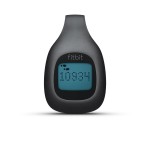
 I recently picked up a Fitbit Zip at a Radioshack store closing for a heck of a good deal with the idea of giving it to my 2 year old son to see just how many steps his short legs make in a day. Obviously he didn’t need a One, or a wrist band style Fitbit, so the Zip seemed perfect. It still clips to clothing, and the battery reportedly lasts about 6 months (a CR2025, I believe), and best of all, it syncs over BLE (Bluetooth Low Energy). In the first few days I had the unit, it counted well over 8,000-10,000 steps a day (often beating both my wife and myself). The only issue I found was that it didn’t Sync quite as reliably as the Fitbit One. It seems that in order to get the 6 month battery life, they have the unit go into standby after a bit of inactivity. So during the night, when we’d remove the Fitbit from his clothes, it wouldn’t sync. I had to actually place the unit much closer to the receiver to get it to sync during the night (I’d just leave it on my desk which is where the receiver is). Other than that issue (which will come back) the unit is great. It’s small, does a good job, and we loved it.
Then, sadly, the unit seems to have fallen off him when we were out shopping one day. And because the unit goes to sleep with inactivity, you can’t use something like Lightblue Bean (or any other BLE scanner) to find it. It just happily sleeps away, with no ability to say “oh, it’s in this store/parking lot/etc”. Sadness. I’ve since contacted Fitbit to see about a replacement, but at this point, I’m unsure. Hopefully a new one will show up, and we’ll get back to counting. =)
As a product though, it’s great. I’d suggest one in a minute for just about anyone. And if Fitbit could update their firmware to have the unit wake up once a minute or so, just to “ping” a BLE signal, so that you could see if it’s anywhere near you, that would be a great addition for finding the unit. Sadly, I think someone picked it up and didn’t turn it in to lost and found. =(
[xrr rating=4/5]
UPDATE (5/11/2015): I just received a replacement Fitbit from Fitbit in the mail. Awesome job guys, thanks so much!
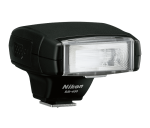 I recently found, and purchased, a broken Nikon SB-400 Speedlight off eBay for $35. Knowing I’d been looking for one for years, I figured worst case the tube was bad, and I’d be able to replace that for less than $15. The seller was great to work with, and got the unit shipped out immediately. The unit arrived, and I had a small hope it just worked, since the seller indicated they didn’t have a camera to actually test it with (and interestingly, the SB-400 has no “test” button (you can’t press the ready light and get it to fire like pretty much every other camera flash that has ever existed)). But, sadly, it didn’t work. Okay then, time to take her apart (WARNING: Camera flashes contain a high voltage (and relatively high capacity) capacitor. In most cases, these can hurt you. It SOME cases, they could probably kill you. If you don’t know how to properly discharge these capacitors, DO NOT attempt flash repairs yourself!).
 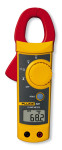 I recently, mistakenly, purchased a Fluke 322 off eBay for far more than I should have paid (paid about $35 for a broken one). I thought it would be an easy repair, but sadly, the issue was that the case was broken (guessing it got dropped from some height, or was partially crushed). The self-taping screws all screwed into the plastic casing front, and several of those threaded lugs were broken, so the case wasn’t being held together fully, which results in the contacts from the rotating switch not making contact enough to turn the multimeter on.